

The General Constitution
Our Motto: “Freedom of Thought, Integrity of Knowledge, Dialogue of Spirit, and Foresight of the Future”
PREAMBLE
Believing that the university is a free space for knowledge, research, critical thinking, creativity, and human dialogue;
Believing that philosophy, science, the arts, music, spiritual and religious studies, and the humanities and social sciences are not separate worlds, but rather integrated paths for understanding the human being, existence, society, culture, and the future;
Recognizing the responsibility of higher education institutions to protect freedom of thought, research, and expression, to safeguard human dignity, to uphold academic integrity, and to educate generations capable of independent and responsible thinking;
Building upon the distinctive character of the European Academy of Philosophy and Spiritual Music in developing interdisciplinary and comparative studies, particularly in philosophy, spiritual and sacred music, Sufi studies, foresight and futures studies, comparative religious studies, and the humanities, social sciences, political studies, and media studies;
And in commitment to the laws and regulations in force in the Principality of Andorra, and to European and international principles concerning higher education, academic freedom, institutional autonomy, academic integrity, and quality assurance;
This Constitution is hereby adopted as the supreme reference for the academic, ethical, institutional, and organizational principles of the Academy, and all regulations, bylaws, policies, and implementing procedures shall be issued pursuant to it.
PART ONE
IDENTITY AND CONSTITUTIONAL PRINCIPLES
Article 1 – Name
The name of the institution is:
The European Academy of Philosophy and Spiritual Music
Its approved name and abbreviation in other languages may be used in academic and international transactions.
Article 2 – Nature
The Academy is an academic institution for higher education, scientific research, and intellectual and artistic creativity, operating within its authorized institutional and legal framework and in accordance with the laws of the Principality of Andorra and the relevant regulations.
Article 3 – Legal Reference Framework
The work of the Academy shall be governed by:
-
The laws and regulations in force in the Principality of Andorra;
-
The legal frameworks governing the university institution to which the Academy belongs;
-
This Constitution;
-
The regulations, bylaws, and policies issued pursuant to it;
-
Binding international agreements within their scope of application;
-
European and international higher education principles and standards adopted by the institution, insofar as they do not conflict with the law.
In the event of a conflict, priority shall be given to rules of higher legal authority.
Article 4 – Mission of the Academy
The mission of the Academy is education, research, the production of knowledge, and the development of interdisciplinary and comparative studies that contribute to understanding the human being, existence, culture, society, the world, and its future.
It seeks to build an academic environment that brings together the depth of philosophical inquiry, the rigor of scientific research, the richness of artistic experience, the study of spiritual and religious phenomena, and the foresight capacity to understand future transformations.
Article 5 – Independence of Knowledge
Knowledge is an academic end in itself.
Teaching, research, or academic assessment may not be subordinated to any political, commercial, religious, sectarian, or personal interest that conflicts with academic integrity and institutional independence.
PART TWO
FUNDAMENTAL VALUES
Article 6 – Human Dignity
Human dignity is a supreme value within the Academy.
All its bodies and members shall respect the human person and fundamental rights, and humiliation, degradation, exploitation, harassment, violence, and unlawful discrimination are prohibited.
Article 7 – Academic Freedom
Academic freedom is an inherent right of members of the academic community.
It includes:
-
Freedom of research and the selection of its subjects and methodologies;
-
Freedom to raise scientific and philosophical questions;
-
Freedom to discuss and critique theories, beliefs, and ideas;
-
Freedom to publish research findings within the requirements of academic integrity and the law;
-
Freedom of academic teaching in accordance with curricula and scholarly standards;
-
Freedom to express scholarly opinions, including opinions that are unconventional or contrary to prevailing views.
No academic member may be punished merely for adopting a legitimate scientific or philosophical opinion.
Article 8 – Limits of Academic Freedom
Academic freedom shall be exercised within the framework of the law, academic integrity, and the rights of others.
Academic freedom does not protect:
Falsification; plagiarism; fabrication of data; unlawful incitement to violence; unlawful discrimination; harassment; violation of privacy; or infringement of the rights of others.
Article 9 – Freedom of Thought and Conscience
The Academy respects freedom of thought, conscience, belief, and non-belief.
Admission to the Academy, teaching, or research therein shall not be conditional upon adherence to any particular doctrine, philosophy, or religious position.
No student or member may be compelled to practice a religious or spiritual ritual or to refrain from doing so.
Article 10 – Pluralism
The Academy is committed to philosophical, cultural, religious, and intellectual pluralism.
It shall not adopt a single interpretation of philosophical, spiritual, or religious truth as a condition for belonging to the Academy.
PART THREE
DISTINCTIVE NATURE OF THE ACADEMIC PROJECT
Article 11 – Interdisciplinary Studies
Interdisciplinary and multidisciplinary studies constitute an essential part of the Academy’s identity.
The Academy encourages interaction among:
Philosophy; music; spiritual studies; religious studies; history; anthropology; sociology; psychology; the arts; political science; media; foresight; the natural sciences; and other relevant fields of knowledge.
Article 12 – Comparative Philosophy, Spiritual Music, and Foresight
The Academy works to develop Comparative Philosophy, Spiritual Music, and Foresight as an interdisciplinary academic field combining philosophical, musical, spiritual, cultural, and foresight research.
In developing this field, the Academy shall adhere to the standards of university research, scientific criticism, documentation, and comparison.
Article 13 – Study of Religions and Spiritualities
Religions, Sufism, and spiritual traditions are studied as legitimate subjects of academic, philosophical, historical, and comparative research.
The Academy is not a religious, missionary, or sectarian institution, and education within it shall not be a means of imposing belief upon the student.
Article 14 – Music and Artistic Research
The Academy recognizes artistic and musical practice, where it meets approved research standards, as a legitimate means of producing academic knowledge.
Theses and scholarly projects may include performative, musical, or creative elements alongside theoretical and analytical components.
Article 15 – Foresight
The Academy treats foresight as an academic field for the study of the future, possibilities, scenarios, and long-term transformations.
In all work of the Academy, a distinction must be maintained between foresight based on a scientific methodology and predictive claims that cannot be subjected to academic examination.
PART FOUR
EDUCATION AND ACADEMIC PROGRAMMES
Article 16 – Levels of Study
The Academy may offer programmes at levels of higher education permitted by law and institutional authorization, including Bachelor’s, Master’s, and Doctoral programmes, continuing education programmes, and academic and professional certificates.
Article 17 – Establishment of Programmes
No academic programme shall be established or substantially amended unless the following have been completed:
-
Defining its objectives and learning outcomes;
-
Demonstrating its academic necessity;
-
Defining its structure and courses;
-
Defining the required qualifications of the teaching staff;
-
Defining assessment methods;
-
Verifying the availability of necessary resources;
-
Conducting an appropriate independent academic review;
-
Obtaining the required institutional and legal approvals.
Article 18 – Learning Outcomes
Each programme shall have a published description specifying:
The qualification; level; number of credits; duration of study; admission requirements; learning outcomes; teaching methods; assessment methods; and graduation requirements.
Article 19 – Academic Assessment
Student assessment shall be fair, transparent, and consistent with learning outcomes.
No person may interfere with an academic grade for personal, financial, administrative, or political gain.
Article 20 – Independence of the Examiner
Examiners shall enjoy professional independence in assessing academic work within the approved regulations.
Mechanisms shall be established for review, appeal, and correction of procedural errors.
Article 21 – Graduate Studies
Graduate studies shall be based on the progressive independence of the researcher, responsible academic supervision, and the production of original research at the doctoral level.
Doctoral dissertations must be subject to independent academic evaluation in accordance with the Graduate Studies Regulations.
PART FIVE
SCIENTIFIC RESEARCH
Article 22 – Freedom of Research
Every researcher has the right to choose the subject and methodologies of their research within the limits of the law, ethics, and academic standards.
Article 23 – Research Integrity
Research at the Academy shall be based on:
Honesty; accuracy; transparency; verifiability; documentation; respect for intellectual property; and disclosure of conflicts of interest.
Article 24 – Research Misconduct
The following shall constitute serious academic misconduct:
-
Fabrication of data;
-
Falsification or deliberate distortion of data;
-
Academic plagiarism;
-
Purchase or sale of research;
-
Attribution of the work of others to oneself;
-
Deliberate manipulation of research results;
-
Deliberate concealment of a material conflict of interest.
A separate regulation shall define procedures for investigation, sanctions, rights of defense, and appeal.
Article 25 – Research Ethics
Research involving human beings, personal data, vulnerable groups, or matters involving ethical risks shall be subject to review by the Research Ethics Committee before implementation whenever required.
PART SIX
ARTIFICIAL INTELLIGENCE AND TECHNOLOGY
Article 26 – General Principle
The Academy treats artificial intelligence as a knowledge-based and technological tool that may be used in education, research, and creativity, while safeguarding academic integrity and human responsibility.
Article 27 – Disclosure
Material use of artificial intelligence in academic and research work must be disclosed whenever required by the regulations.
Content generated by an automated system may not be presented as the researcher’s original work without disclosure where disclosure is required.
Article 28 – Human Responsibility
The human being remains responsible for the accuracy, integrity, and lawfulness of the work submitted, and academic responsibility shall not be transferred to the technological system used.
PART SEVEN
MEMBERS OF THE ACADEMIC STAFF
Article 29 – Academic Appointment
Academic appointment shall be based on merit, qualifications, experience, competence, integrity, and programme needs.
Unlawful discrimination in appointment or promotion is prohibited.
Article 30 – Rights of Academic Staff
Members of the academic staff have the right to:
-
Academic freedom;
-
Fair treatment;
-
Participation in academic governance;
-
Knowledge of the criteria by which their performance is evaluated;
-
Protection of their intellectual property in accordance with regulations;
-
Fair procedures when held disciplinarily accountable;
-
Appeal in accordance with the applicable system.
Article 31 – Duties of Academic Staff
A member of the academic staff shall adhere to:
Integrity; competence; respect for students; avoidance of abuse of authority; preservation of confidentiality; disclosure of conflicts of interest; and compliance with research and assessment rules.
Article 32 – Promotion
Academic promotion shall be based on published criteria that include, according to the nature of the position:
Research; teaching; supervision; creativity; academic service; and institutional and community contribution.
PART EIGHT
STUDENTS
Article 33 – Equal Opportunities
Admission shall be based on published, fair academic criteria proportionate to the nature of the programme.
Article 34 – Student Rights
Every student has the right to:
-
Education consistent with the published programme;
-
Fair assessment;
-
Knowledge of regulations;
-
Privacy;
-
Dignity;
-
Freedom to ask questions and engage in academic discussion;
-
Submit complaints without retaliation;
-
Grievance and appeal;
-
Access available academic services in accordance with regulations.
Article 35 – Student Responsibilities
The student shall adhere to:
Academic integrity; respect for others; respect for intellectual property rights; compliance with study and assessment regulations; and refraining from cheating, plagiarism, or falsification.
Article 36 – Non-Retaliation
Retaliatory action against a student, employee, or researcher for submitting in good faith a complaint or report concerning a violation, or for participating in an institutional investigation, is prohibited.
PART NINE
EQUALITY, DIVERSITY, AND RESPECT
Article 37 – Non-Discrimination
The Academy is committed to equal opportunities and prohibits unlawful discrimination in accordance with the law.
Article 38 – Harassment and Violence
The Academy prohibits sexual and psychological harassment, bullying, violence, threats, and exploitation of academic or professional relationships of authority.
Article 39 – Intellectual Disagreement
Intellectual, philosophical, or religious disagreement does not in itself constitute abuse or harassment.
The Academy protects robust academic debate and legitimate criticism, while requiring respect for the dignity of persons.
PART TEN
INSTITUTIONAL GOVERNANCE
Article 40 – Principle of Distribution of Powers
The governance of the Academy shall be based on a clear distribution of responsibilities and the prevention of concentration of academic, financial, and disciplinary authority in the hands of one person without oversight.
Article 41 – Governing Bodies
The governance structure, according to the approved legal framework, shall consist of:
-
The competent authority or Board of Directors/Trustees responsible for institutional and strategic affairs;
-
The Dean of the Academy or its Chief Executive;
-
The Academic Council;
-
The Research Council or Committee;
-
The Quality Assurance Committee;
-
The Ethics and Integrity Committee;
-
The Audit and Finance Committee where appropriate;
-
Councils and committees established pursuant to regulations.
Article 42 – Separation Between Institutional and Academic Governance
The supreme administrative authority shall be responsible for strategy, sustainability, finance, and institutional oversight.
The Academic Council shall have primary jurisdiction over academic matters, particularly curricula, academic standards, assessment, research, and degree requirements, in accordance with the law and institutional framework.
PART ELEVEN
THE ACADEMIC COUNCIL
Article 43 – Academic Council
The Academic Council is the highest body responsible for the academic affairs of the Academy within the limits of its legal powers.
Article 44 – Its Responsibilities
The Academic Council shall:
-
Approve academic policies;
-
Consider the establishment and amendment of programmes;
-
Monitor academic standards;
-
Approve assessment rules;
-
Oversee scientific research;
-
Establish criteria for academic appointment and promotion;
-
Protect academic freedom;
-
Review programme quality.
Article 45 – Participation
The composition of the Academic Council shall appropriately reflect the academic community and shall possess the expertise, independence, and capacity required for academic decision-making.
Its membership may include student representation in matters that do not involve individual confidentiality or conflicts of interest.
PART TWELVE
ACADEMIC LEADERSHIP
Article 46 – Dean of the Academy
The Dean of the Academy is the highest academic and executive officer of the Academy within the limits of the powers granted to them.
The Dean represents the Academy, leads the implementation of its strategy, protects its academic independence, and ensures implementation of the decisions of the competent bodies.
Article 47 – Accountability
Leadership does not mean absolute authority.
The Dean and all other leaders shall be subject to this Constitution, the law, and the principles of transparency, accountability, and conflict of interest.
Article 48 – Delegation
Certain powers may be delegated in writing, provided that the delegation is specific and reviewable. Delegation does not relieve the original holder of authority of supervisory duties where required by law.
PART THIRTEEN
QUALITY ASSURANCE
Article 49 – Quality as an Institutional Responsibility
The quality of education and research is a shared responsibility of all components of the Academy.
Article 50 – Internal Quality System
The Academy shall establish an independent internal quality assurance system that includes:
-
Periodic programme review;
-
Evaluation of teaching;
-
Analysis of student outcomes;
-
Follow-up on graduation;
-
Evaluation of the student experience;
-
Review of the quality of supervision;
-
Monitoring academic integrity;
-
Documentation of improvement plans.
Article 51 – External Review
The Academy shall cooperate with official authorities and competent quality assurance agencies, and its programmes and institutions shall be subject to external reviews required by law.
Article 52 – External Reviewers
Independent academics and experts from other institutions may be engaged to review programmes, theses, and academic processes.
PART FOURTEEN
ETHICS AND CONFLICTS OF INTEREST
Article 53 – Conflict of Interest
Every member in a decision-making position must disclose any personal, financial, family, or professional interest that may affect, or may reasonably appear to affect, their impartiality.
Article 54 – Recusal
A person shall refrain from participating in a decision whenever a material conflict of interest exists concerning that person or anyone with whom they have a direct interest.
Article 55 – Gifts and Benefits
Acceptance of gifts or benefits intended to influence an academic, administrative, or financial decision is prohibited.
Article 56 – Abuse of Authority
The use of an academic or administrative position to obtain an unlawful personal benefit or to harm another person is prohibited.
PART FIFTEEN
TRANSPARENCY AND FINANCE
Article 57 – Good Governance
The funds and property of the Academy shall be managed in a manner that serves its educational and research mission and ensures sustainability, transparency, and accountability.
Article 58 – Budget
An annual budget shall be prepared in accordance with approved institutional procedures and shall be subject to appropriate oversight and audit.
Article 59 – Audit
Accounts shall be audited in accordance with legal requirements, and the Academy shall maintain internal financial controls appropriate to its size and nature.
Article 60 – Independence of Academic Decisions from Funding
A donor, benefactor, or funder may not purchase:
An academic degree; an examination result; an academic position; a research result; an admission decision; or a promotion decision.
The Academy shall not accept funding conditioned in a manner that compromises academic integrity.
PART SIXTEEN
INTERNATIONAL PARTNERSHIPS
Article 61 – Principle of Partnership
The Academy may enter into cooperation agreements with universities, research centers, cultural and artistic institutions, and other lawful entities.
Article 62 – Protection of Standards
A partnership may not result in lowering academic standards, circumventing admission requirements, or awarding a degree beyond lawful authority.
Article 63 – Joint Degrees
Joint or double programmes and degrees, or joint supervision arrangements, shall be subject to the law, quality requirements, and approved written agreements.
PART SEVENTEEN
DATA, PRIVACY, AND INTELLECTUAL PROPERTY
Article 64 – Data Protection
The Academy shall protect personal and academic data in accordance with applicable legislation and shall collect only such data as are necessary for legitimate and specific purposes.
Article 65 – Academic Records
The Academy shall preserve the integrity of academic records, certificates, and degrees, and shall take the necessary measures to prevent falsification and unauthorized alteration.
Article 66 – Intellectual Property
The Academy respects copyright and intellectual property rights.
A special regulation shall define the rights of researchers, students, and the Academy in publications, inventions, musical recordings, artistic works, digital outputs, and research outputs.
PART EIGHTEEN
COMPLAINTS, DISCIPLINE, AND PROCEDURAL FAIRNESS
Article 67 – Legality
No disciplinary sanction shall be imposed except for a violation defined in the law or approved regulations.
Article 68 – Institutional Presumption of Innocence
A person under investigation shall be treated fairly and shall not be considered responsible for a violation before completion of the prescribed procedure and the issuance of a decision by the competent authority.
Article 69 – Right of Defense
Every person subject to disciplinary proceedings has the right to:
-
Know the allegation;
-
Review the evidence to the extent permitted by law;
-
Respond;
-
Submit evidence;
-
Have the case considered by an impartial party;
-
Receive a reasoned decision;
-
Appeal in accordance with the applicable system.
Article 70 – Proportionality
The sanction must be proportionate to the nature and seriousness of the violation and the circumstances associated with it.
Article 71 – Complaints
The Academy shall provide clear and, to the greatest extent possible, independent procedures for receiving complaints from students, employees, and members of the academic staff and addressing them within a reasonable period of time.
PART NINETEEN
AUTONOMY AND ACCOUNTABILITY
Article 72 – Institutional Autonomy
The Academy shall exercise its academic and organizational autonomy within the limits permitted by law.
Autonomy shall be accompanied by accountability, transparency, and quality.
Article 73 – Non-Interference
No internal or external body may unlawfully interfere in:
Examination results; decisions of doctoral committees; research results; academic appointments and promotions; or academic investigations.
PART TWENTY
COMMUNITY SERVICE AND GLOBAL RESPONSIBILITY
Article 74 – Community Service
The Academy considers community service and the dissemination of knowledge to be part of its mission.
It encourages researchers to engage with the public and transfer knowledge beyond the boundaries of the university.
Article 75 – Civilizational Dialogue
The Academy seeks to be a space for dialogue among cultures, religions, philosophies, and different intellectual traditions.
Article 76 – Peace
The Academy supports research and education that contribute to peace, human understanding, and the resolution of conflicts through dialogue and knowledge.
This does not mean restricting critical research into war, conflict, power, or politics.
Article 77 – Environment and Future Generations
In its decisions, the Academy shall take into account, to a reasonable extent, environmental sustainability and responsibility toward future generations.
Thinking about the future forms part of its academic and foresight responsibility.
PART TWENTY-ONE
FREEDOM OF EXPRESSION AND DIALOGUE
Article 78 – Freedom of Expression
The Academy protects freedom of expression and debate within the limits of the law.
An academic opinion may not be prohibited merely because it is controversial or contrary to the opinion of the majority.
Article 79 – Speakers and Events
Researchers, thinkers, artists, and speakers from different perspectives may be invited.
Hosting a person or discussing their ideas does not constitute endorsement of their positions by the Academy.
Article 80 – Protest
Members of the academic community have the right to express peaceful objection, provided that they do not unlawfully prevent others from teaching, studying, speaking, or conducting research.
PART TWENTY-TWO
THE RELATIONSHIP BETWEEN SCIENCE, PHILOSOPHY, RELIGION, AND ART
Article 81 – Methodological Independence
The Academy respects the diversity of methodologies of knowledge.
A religious claim may not be presented as an empirical conclusion merely because of its religious source, just as a philosophical or spiritual question may not be rejected merely because it does not belong to the empirical sciences.
Each claim shall be evaluated according to the nature of the field and the methodology to which it belongs.
Article 82 – Dialogue Without Conflation
The Academy encourages dialogue among science, philosophy, religion, and art while preserving the methodological distinctions among them.
Article 83 – Criticism
Religions, philosophies, scientific theories, spiritual and artistic traditions, political ideas, and other matters may be subjected to academic criticism.
A distinction must be maintained between criticism of an idea and an attack on the dignity of persons.
PART TWENTY-THREE
TRADITIONS AND HERITAGE
Article 84 – Cultural Heritage
The Academy contributes to the study, preservation, documentation, and dissemination of philosophical, musical, spiritual, and cultural heritage, particularly Mediterranean, Moroccan, Andalusian, and other traditions related to its fields.
Article 85 – Respect for Communities
In the study of living heritage and spiritual and musical traditions, the rights of communities and individuals, intellectual property, and research ethics shall be respected.
PART TWENTY-FOUR
REGULATIONS UNDER THE CONSTITUTION
Article 86 – Implementing Regulations
Pursuant to this Constitution, separate regulations shall be issued as needed, including at least:
-
General Academic Regulations;
-
Bachelor’s Regulations;
-
Graduate Studies Regulations;
-
Doctoral, Supervision, and Defense Regulations;
-
Examination and Assessment Regulations;
-
Admission and Registration Regulations;
-
Academic Integrity Regulations;
-
Research Ethics Regulations;
-
Artificial Intelligence Use Regulations;
-
Academic Staff, Appointment, and Promotion Regulations;
-
Student Rights and Responsibilities Regulations;
-
Disciplinary Regulations;
-
Complaints and Appeals Regulations;
-
Quality Assurance Regulations;
-
Finance, Procurement, and Conflict of Interest Regulations;
-
Data Protection Regulations;
-
Intellectual Property Regulations;
-
International Partnerships Regulations;
-
Online and Distance Learning Regulations;
-
Academic Freedom and Freedom of Expression Regulations.
Article 87 – Supremacy of the Constitution
No regulation, policy, or internal decision may conflict with this Constitution.
In the event of a conflict, the Constitution shall apply insofar as it does not conflict with superior law.
PART TWENTY-FIVE
AMENDMENT OF THE CONSTITUTION
Article 88 – Proposal of Amendment
An amendment to this Constitution may be proposed by the administrative or academic authority empowered to do so under the institutional system.
Article 89 – Consultation
Fundamental provisions relating to academic freedom, academic standards, or the rights of the university community shall not be amended without appropriate consultation with the relevant academic bodies.
Article 90 – Enhanced Majority
The institutional regulations shall establish an enhanced majority for the adoption of an amendment to the Constitution in order to prevent its alteration by a transient administrative decision.
Article 91 – Fundamental Rights
The power to amend the Constitution may not be interpreted in a manner that would abolish the essence of:
Academic freedom; academic integrity; procedural fairness; independence of academic assessment; the principle of non-discrimination; or independence of scientific research.
PART TWENTY-SIX
INTERPRETATION
Article 92 – Principles of Interpretation
This Constitution shall be interpreted in a manner that advances:
The mission of the Academy; academic freedom; quality of education; integrity; fairness; transparency; responsible autonomy; and respect for the law.
Article 93 – Good Faith
All powers granted under this Constitution shall be exercised in good faith and for the purpose for which they were granted.
Article 94 – Prevention of Circumvention
No provision or procedural gap may be used to circumvent the fundamental principles of this Constitution.
PART TWENTY-SEVEN
FINAL PROVISIONS
Article 95 – Language of the Constitution
Official versions of this Constitution may be adopted in Arabic, Catalan, English, and other languages approved by the institution.
The instrument of adoption shall specify the legally authoritative version in the event of divergence between translations.
Article 96 – Publication of the Constitution
The Constitution shall be published for members of the academic community and shall be made available to students, professors, employees, and the public through the official channels of the Academy.
Article 97 – Periodic Review
The Constitution shall be subject to periodic institutional review to ensure its compatibility with:
Applicable legislation; developments in higher education; European and international standards; technology; and the needs of the academic community.
Periodic review shall not undermine the stability of the fundamental constitutional principles.
Article 98 – Provisions of Law
If a provision of this Constitution becomes inconsistent with a mandatory legal provision, its application shall be suspended to the extent necessary, without automatically invalidating the remaining provisions of the Constitution, and the matter shall be referred to the competent authority for amendment.
Article 99 – Entry into Force
This Constitution shall enter into force on the date specified in the decision adopting it by the competent institutional authority, following completion of the required legal procedures.
CONCISE ETHICAL CHARTER OF THE ACADEMY
Every person belonging to the Academy, regardless of their position, shall adhere to the following principles:
We seek truth without fear.
We disagree without exclusion.
We criticize ideas without insulting those who hold them.
We respect science without turning it into a closed doctrine.
We study religion and spirituality without imposing belief.
We respect art as a field of knowledge and human creativity.
We protect the freedom of the researcher, the professor, and the student.
We neither buy nor sell academic decisions.
We do not award a degree that has not been earned.
We do not attribute to ourselves knowledge or work produced by others.
We acknowledge error and correct it.
We use authority to serve the institution and knowledge, not personal interests.
We regard cultural, religious, and philosophical difference as an opportunity for knowledge and dialogue.
And we regard the university as a responsibility toward truth, humanity, and future generations.
Our Motto: “Freedom of Thought, Integrity of Knowledge, Dialogue of Spirit, and Foresight of the Future”
الدستور العام
شعارنا «حرية الفكر، نزاهة المعرفة، حوار الروح، واستشراف المستقبل»
الديباجة
إيماناً بأن الجامعة فضاء حر للمعرفة، والبحث، والتفكير النقدي، والإبداع، والحوار الإنساني؛
وإيماناً بأن الفلسفة والعلم والفنون والموسيقى والدراسات الروحية والدينية والعلوم الإنسانية والاجتماعية ليست عوالم منفصلة، وإنما طرق متكاملة لفهم الإنسان والوجود والمجتمع والثقافة والمستقبل؛
وإدراكاً لمسؤولية مؤسسات التعليم العالي في حماية حرية الفكر والبحث والتعبير، وصيانة كرامة الإنسان، وترسيخ النزاهة العلمية، وتكوين أجيال قادرة على التفكير المستقل والمسؤول؛
وانطلاقاً من خصوصية الكلية الأوروبية للفلسفة والموسيقى الروحية المقارنة والاستشرافية في تطوير الدراسات البينية والمقارنة، ولا سيما في الفلسفة، والموسيقى الروحية والمقدسة، والدراسات الصوفية، والاستشراف والدراسات المستقبلية، والدراسات الدينية المقارنة، والعلوم الإنسانية والاجتماعية والسياسية والإعلامية؛
والتزاماً بالقوانين والأنظمة النافذة في إمارة أندورا، وبالمبادئ الأوروبية والدولية المتعلقة بالتعليم العالي، والحرية الأكاديمية، والاستقلال المؤسسي، والنزاهة العلمية، وضمان الجودة؛
يُعتمد هذا الدستور باعتباره المرجع الأعلى للمبادئ الأكاديمية والأخلاقية والمؤسسية والتنظيمية للكلية، وتصدر بموجبه الأنظمة واللوائح والسياسات والإجراءات التنفيذية.
الباب الأول
الهوية والمبادئ الدستورية
المادة 1 – الاسم
اسم المؤسسة:
الكلية الأوروبية للفلسفة والموسيقى الروحية المقارنة والاستشرافية
ويجوز استخدام اسمها واختصارها المعتمدين باللغات الأخرى في المعاملات الأكاديمية والدولية.
المادة 2 – الطبيعة
الكلية مؤسسة أكاديمية للتعليم العالي والبحث العلمي والإبداع الفكري والفني، تعمل ضمن الإطار المؤسسي والقانوني المرخص لها ووفق قوانين إمارة أندورا والأنظمة ذات الصلة.
المادة 3 – المرجعية القانونية
يخضع عمل الكلية:
-
للقوانين والأنظمة النافذة في إمارة أندورا؛
-
للأطر القانونية المنظمة للمؤسسة الجامعية التي تنتمي إليها الكلية؛
-
لهذا الدستور؛
-
للأنظمة واللوائح والسياسات الصادرة بموجبه؛
-
للاتفاقيات الدولية الملزمة في نطاق تطبيقها؛
-
ولمبادئ ومعايير التعليم العالي الأوروبية والدولية التي تتبناها المؤسسة بما لا يتعارض مع القانون.
وعند وجود تعارض، تكون الأولوية للقواعد القانونية الأعلى مرتبة.
المادة 4 – رسالة الكلية
تتمثل رسالة الكلية في التعليم والبحث وإنتاج المعرفة وتطوير الدراسات البينية والمقارنة التي تسهم في فهم الإنسان والوجود والثقافة والمجتمع والعالم ومستقبله.
وتسعى إلى بناء بيئة أكاديمية تجمع بين عمق السؤال الفلسفي، ودقة البحث العلمي، وثراء التجربة الفنية، ودراسة الظاهرة الروحية والدينية، والقدرة الاستشرافية على فهم التحولات المستقبلية.
المادة 5 – استقلال المعرفة
المعرفة غاية أكاديمية في ذاتها.
ولا يجوز إخضاع التعليم أو البحث أو التقييم الأكاديمي لمصلحة سياسية أو تجارية أو دينية أو مذهبية أو شخصية تتعارض مع النزاهة الأكاديمية واستقلال المؤسسة.
الباب الثاني
القيم الأساسية
المادة 6 – كرامة الإنسان
كرامة الإنسان قيمة عليا في الكلية.
وتلتزم جميع هيئاتها وأعضائها باحترام الإنسان وحقوقه الأساسية، وتحظر الإهانة والتحقير والاستغلال والتحرش والعنف والتمييز غير المشروع.
المادة 7 – الحرية الأكاديمية
الحرية الأكاديمية حق أصيل لأعضاء المجتمع الأكاديمي.
وتشمل:
-
حرية البحث واختيار موضوعاته ومناهجه؛
-
حرية طرح الأسئلة العلمية والفلسفية؛
-
حرية مناقشة النظريات والمعتقدات والأفكار ونقدها؛
-
حرية نشر نتائج البحث ضمن مقتضيات النزاهة العلمية والقانون؛
-
حرية التدريس الأكاديمي وفق المقررات والمعايير العلمية؛
-
وحرية التعبير عن الآراء العلمية، بما فيها الآراء غير المألوفة أو المخالفة للاتجاه السائد.
ولا يجوز معاقبة أي عضو أكاديمي لمجرد تبنيه رأياً علمياً أو فلسفياً مشروعاً.
المادة 8 – حدود الحرية الأكاديمية
تمارس الحرية الأكاديمية في إطار القانون والنزاهة العلمية وحقوق الآخرين.
ولا تحمي الحرية الأكاديمية:
التزوير؛ أو الانتحال؛ أو اختلاق البيانات؛ أو التحريض غير المشروع على العنف؛ أو التمييز غير المشروع؛ أو التحرش؛ أو انتهاك الخصوصية؛ أو الاعتداء على حقوق الآخرين.
المادة 9 – حرية الفكر والضمير
تحترم الكلية حرية الفكر والضمير والمعتقد وعدم المعتقد.
ولا يشترط للالتحاق بها أو التدريس أو البحث فيها اعتناق عقيدة أو فلسفة أو موقف ديني بعينه.
ولا يجوز إجبار أي طالب أو عضو على ممارسة شعيرة دينية أو روحية أو الامتناع عنها.
المادة 10 – التعددية
تلتزم الكلية بالتعددية الفلسفية والثقافية والدينية والفكرية.
ولا تتبنى تفسيراً وحيداً للحقيقة الفلسفية أو الروحية أو الدينية باعتباره شرطاً للانتماء إليها.
الباب الثالث
خصوصية المشروع الأكاديمي
المادة 11 – الدراسات البينية
تعد الدراسات البينية والمتعددة التخصصات جزءاً جوهرياً من هوية الكلية.
وتشجع الكلية التفاعل بين:
الفلسفة؛ والموسيقى؛ والدراسات الروحية؛ والدراسات الدينية؛ والتاريخ؛ والأنثروبولوجيا؛ وعلم الاجتماع؛ وعلم النفس؛ والفنون؛ والعلوم السياسية؛ والإعلام؛ والاستشراف؛ والعلوم الطبيعية وغيرها من مجالات المعرفة ذات الصلة.
المادة 12 – الفلسفة والموسيقى الروحية المقارنة والاستشرافية
تعمل الكلية على تطوير الفلسفة والموسيقى الروحية المقارنة والاستشرافية بوصفها حقلاً أكاديمياً بينياً يجمع البحث الفلسفي والموسيقي والروحي والثقافي والاستشرافي.
وتلتزم في تطوير هذا المجال بمعايير البحث الجامعي والنقد العلمي والتوثيق والمقارنة.
المادة 13 – دراسة الأديان والروحانيات
تدرس الأديان والتصوف والتقاليد الروحية باعتبارها موضوعات مشروعة للبحث الأكاديمي والفلسفي والتاريخي والمقارن.
ولا تعد الكلية مؤسسة دينية أو تبشيرية أو مذهبية، ولا يكون التعليم فيها وسيلة لفرض اعتقاد على الطالب.
المادة 14 – الموسيقى والبحث الفني
تعترف الكلية بالممارسة الفنية والموسيقية، متى استوفت معايير البحث المعتمدة، بوصفها وسيلة مشروعة لإنتاج المعرفة الأكاديمية.
ويجوز أن تتضمن الرسائل والمشاريع العلمية عناصر أدائية أو موسيقية أو إبداعية إلى جانب العنصر النظري والتحليلي.
المادة 15 – الاستشراف
تتعامل الكلية مع الاستشراف باعتباره مجالاً أكاديمياً لدراسة المستقبل والاحتمالات والسيناريوهات والتحولات بعيدة المدى.
ويجب التمييز في جميع أعمال الكلية بين الاستشراف القائم على منهج علمي وبين الادعاءات التنبؤية غير القابلة للفحص الأكاديمي.
الباب الرابع
التعليم والبرامج الأكاديمية
المادة 16 – مستويات الدراسة
يجوز للكلية تقديم برامج في مستويات التعليم العالي التي يسمح بها القانون والترخيص المؤسسي، بما في ذلك البكالوريوس والماجستير والدكتوراه وبرامج التعليم المستمر والشهادات الأكاديمية والمهنية.
المادة 17 – إنشاء البرامج
لا يُنشأ برنامج أكاديمي أو يعدل تعديلاً جوهرياً إلا بعد:
-
تحديد أهدافه ومخرجات تعلمه؛
-
بيان ضرورته العلمية؛
-
تحديد هيكله ومقرراته؛
-
تحديد مؤهلات الهيئة التدريسية اللازمة؛
-
تحديد وسائل التقييم؛
-
التحقق من الموارد اللازمة؛
-
إجراء مراجعة أكاديمية مستقلة مناسبة؛
-
الحصول على الموافقات المؤسسية والقانونية المطلوبة.
المادة 18 – مخرجات التعلم
يجب أن يكون لكل برنامج وصف معلن يحدد:
المؤهل؛ المستوى؛ عدد الاعتمادات؛ مدة الدراسة؛ شروط القبول؛ مخرجات التعلم؛ أساليب التدريس؛ طرق التقييم؛ ومتطلبات التخرج.
المادة 19 – التقييم الأكاديمي
يجب أن يكون تقييم الطلبة عادلاً وشفافاً ومتسقاً مع مخرجات التعلم.
ولا يجوز لأي شخص التدخل في علامة أكاديمية لتحقيق منفعة شخصية أو مالية أو إدارية أو سياسية.
المادة 20 – استقلال الممتحن
يتمتع الممتحنون باستقلال مهني في تقييم الأعمال الأكاديمية ضمن اللوائح المعتمدة.
ويجب وضع آليات للمراجعة والتظلم وتصحيح الأخطاء الإجرائية.
المادة 21 – الدراسات العليا
تقوم الدراسات العليا على استقلال الباحث تدريجياً، وعلى الإشراف الأكاديمي المسؤول، وعلى إنتاج بحث أصيل في مستوى الدكتوراه.
ويجب أن تخضع أطروحات الدكتوراه لتقييم علمي مستقل وفق لائحة الدراسات العليا.
الباب الخامس
البحث العلمي
المادة 22 – حرية البحث
لكل باحث الحق في اختيار موضوع بحثه ومناهجه ضمن حدود القانون والأخلاقيات والمعايير العلمية.
المادة 23 – النزاهة البحثية
تقوم البحوث في الكلية على:
الصدق؛ والدقة؛ والشفافية؛ وقابلية التحقق؛ والتوثيق؛ واحترام الملكية الفكرية؛ والإفصاح عن تضارب المصالح.
المادة 24 – سوء السلوك البحثي
يعد مخالفة أكاديمية جسيمة:
-
اختلاق البيانات؛
-
تزويرها أو تحريفها المتعمد؛
-
الانتحال العلمي؛
-
شراء الأبحاث أو بيعها؛
-
نسبة أعمال الغير إلى النفس؛
-
التلاعب المتعمد بنتائج البحث؛
-
الإخفاء المتعمد لتضارب مصالح جوهري.
وتحدد لائحة مستقلة إجراءات التحقيق والعقوبات وحقوق الدفاع والاستئناف.
المادة 25 – أخلاقيات البحث
تخضع البحوث التي تشمل البشر أو البيانات الشخصية أو الفئات الهشة أو المسائل التي تنطوي على مخاطر أخلاقية لمراجعة لجنة أخلاقيات البحث قبل تنفيذها متى كان ذلك مطلوباً.
الباب السادس
الذكاء الاصطناعي والتكنولوجيا
المادة 26 – المبدأ العام
تتعامل الكلية مع الذكاء الاصطناعي بوصفه أداة معرفية وتقنية يمكن استخدامها في التعليم والبحث والإبداع، مع حماية النزاهة العلمية والمسؤولية البشرية.
المادة 27 – الإفصاح
يجب الإفصاح عن الاستخدام الجوهري للذكاء الاصطناعي في الأعمال الأكاديمية والبحثية متى تطلبت اللوائح ذلك.
ولا يجوز تقديم محتوى أنتجه نظام آلي باعتباره عملاً أصيلاً للباحث دون إفصاح عندما يكون الإفصاح واجباً.
المادة 28 – المسؤولية البشرية
يبقى الإنسان مسؤولاً عن صحة وسلامة ومشروعية العمل الذي يقدمه، ولا تنتقل المسؤولية الأكاديمية إلى النظام التقني المستخدم.
الباب السابع
أعضاء الهيئة الأكاديمية
المادة 29 – التعيين الأكاديمي
يكون التعيين الأكاديمي على أساس الجدارة والمؤهلات والخبرة والكفاءة والنزاهة واحتياجات البرنامج.
ولا يجوز التمييز غير المشروع في التعيين أو الترقية.
المادة 30 – حقوق أعضاء الهيئة الأكاديمية
لأعضاء الهيئة الأكاديمية الحق في:
-
الحرية الأكاديمية؛
-
المعاملة العادلة؛
-
المشاركة في الحوكمة الأكاديمية؛
-
معرفة معايير تقييم أدائهم؛
-
حماية ملكيتهم الفكرية وفق اللوائح؛
-
إجراءات عادلة عند مساءلتهم تأديبياً؛
-
والاستئناف وفق النظام.
المادة 31 – واجبات الهيئة الأكاديمية
يلتزم عضو الهيئة الأكاديمية:
بالنزاهة؛ والكفاءة؛ واحترام الطلبة؛ وتجنب إساءة استعمال السلطة؛ والمحافظة على السرية؛ والإفصاح عن تضارب المصالح؛ واحترام قواعد البحث والتقييم.
المادة 32 – الترقية
تقوم الترقية الأكاديمية على معايير معلنة تشمل بحسب طبيعة الوظيفة:
البحث؛ والتعليم؛ والإشراف؛ والإبداع؛ والخدمة الأكاديمية؛ والمساهمة المؤسسية والمجتمعية.
الباب الثامن
الطلبة
المادة 33 – المساواة في الفرص
يكون القبول وفق معايير أكاديمية معلنة وعادلة ومتناسبة مع طبيعة البرنامج.
المادة 34 – حقوق الطالب
لكل طالب الحق في:
-
تعليم يطابق البرنامج المعلن؛
-
تقييم عادل؛
-
معرفة اللوائح؛
-
الخصوصية؛
-
الكرامة؛
-
حرية السؤال والنقاش الأكاديمي؛
-
تقديم الشكاوى دون انتقام؛
-
التظلم والاستئناف؛
-
والوصول إلى الخدمات الأكاديمية المتاحة وفق الأنظمة.
المادة 35 – مسؤوليات الطالب
يلتزم الطالب:
بالنزاهة الأكاديمية؛ واحترام الآخرين؛ واحترام حقوق الملكية الفكرية؛ والالتزام بلوائح الدراسة والتقييم؛ وعدم الغش أو الانتحال أو التزوير.
المادة 36 – عدم الانتقام
يحظر اتخاذ إجراء انتقامي ضد طالب أو موظف أو باحث بسبب تقديمه بحسن نية شكوى أو بلاغاً عن مخالفة أو مشاركته في تحقيق مؤسسي.
الباب التاسع
المساواة والتنوع والاحترام
المادة 37 – عدم التمييز
تلتزم الكلية بتكافؤ الفرص وتحظر التمييز غير المشروع وفق القانون.
المادة 38 – التحرش والعنف
تحظر الكلية التحرش الجنسي والنفسي، والتنمر، والعنف، والتهديد، واستغلال علاقة السلطة الأكاديمية أو الوظيفية.
المادة 39 – الاختلاف الفكري
لا يعد الاختلاف الفكري أو الفلسفي أو الديني في ذاته إساءة أو تحرشاً.
وتحمي الكلية النقاش الأكاديمي القوي والنقد المشروع، مع وجوب احترام كرامة الأشخاص.
الباب العاشر
الحوكمة المؤسسية
المادة 40 – مبدأ توزيع السلطات
تقوم حوكمة الكلية على توزيع واضح للاختصاصات ومنع تركيز السلطة الأكاديمية والمالية والتأديبية في يد شخص واحد دون رقابة.
المادة 41 – أجهزة الحوكمة
تتكون منظومة الحوكمة، بحسب الهيكل القانوني المعتمد، من:
-
السلطة أو مجلس الإدارة/الأمناء المختص بالشؤون المؤسسية والاستراتيجية؛
-
عميد الكلية أو رئيسها التنفيذي؛
-
المجلس الأكاديمي؛
-
مجلس أو لجنة البحث العلمي؛
-
لجنة ضمان الجودة؛
-
لجنة الأخلاقيات والنزاهة؛
-
لجنة التدقيق والمالية عند الاقتضاء؛
-
المجالس واللجان التي تنشأ بموجب اللوائح.
المادة 42 – الفصل بين الحوكمة المؤسسية والأكاديمية
تختص السلطة الإدارية العليا بالاستراتيجية والاستدامة والمالية والرقابة المؤسسية.
ويكون للمجلس الأكاديمي الاختصاص الأصيل في المسائل الأكاديمية، ولا سيما المناهج، والمعايير العلمية، والتقييم، والبحث، ومتطلبات الدرجات، وفق القانون والنظام المؤسسي.
الباب الحادي عشر
المجلس الأكاديمي
المادة 43 – المجلس الأكاديمي
المجلس الأكاديمي هو الهيئة العليا المختصة بالشؤون الأكاديمية للكلية في حدود صلاحياتها القانونية.
المادة 44 – اختصاصاته
يتولى المجلس الأكاديمي:
-
اعتماد السياسات الأكاديمية؛
-
دراسة إنشاء البرامج وتعديلها؛
-
مراقبة المعايير الأكاديمية؛
-
اعتماد قواعد التقييم؛
-
الإشراف على البحث العلمي؛
-
وضع معايير التعيين والترقية الأكاديمية؛
-
حماية الحرية الأكاديمية؛
-
ومراجعة جودة البرامج.
المادة 45 – المشاركة
يجب أن يعكس تشكيل المجلس الأكاديمي بصورة مناسبة المجتمع الأكاديمي، وأن تتوافر فيه الخبرة والاستقلال والقدرة على اتخاذ القرار العلمي.
ويجوز أن تشمل عضويته تمثيلاً طلابياً في المسائل التي لا تنطوي على سرية فردية أو تضارب مصالح.
الباب الثاني عشر
القيادة الأكاديمية
المادة 46 – عميد الكلية
عميد الكلية هو المسؤول الأكاديمي والتنفيذي الأعلى للكلية في حدود الصلاحيات الممنوحة له.
ويمثل الكلية ويقود تنفيذ استراتيجيتها ويحمي استقلالها الأكاديمي ويضمن تنفيذ قرارات الهيئات المختصة.
المادة 47 – المساءلة
لا تعني القيادة سلطة مطلقة.
ويخضع العميد وسائر القيادات لأحكام هذا الدستور، وللقانون، ولمبادئ الشفافية والمساءلة وتضارب المصالح.
المادة 48 – التفويض
يجوز تفويض بعض الصلاحيات كتابة، على أن يكون التفويض محدداً وقابلاً للمراجعة، ولا يعفي التفويض صاحب الاختصاص الأصلي من واجبات الرقابة حيث يوجبها القانون.
الباب الثالث عشر
ضمان الجودة
المادة 49 – الجودة مسؤولية مؤسسية
تعد جودة التعليم والبحث مسؤولية مشتركة لجميع مكونات الكلية.
المادة 50 – نظام الجودة الداخلي
تنشئ الكلية نظاماً داخلياً مستقلاً لضمان الجودة يشمل:
-
مراجعة البرامج دورياً؛
-
تقييم التدريس؛
-
تحليل نتائج الطلبة؛
-
متابعة التخرج؛
-
تقييم تجربة الطلبة؛
-
مراجعة جودة الإشراف؛
-
مراقبة النزاهة الأكاديمية؛
-
وتوثيق خطط التحسين.
المادة 51 – المراجعة الخارجية
تتعاون الكلية مع الجهات الرسمية ووكالات ضمان الجودة المختصة، وتخضع برامجها ومؤسساتها للمراجعات الخارجية المطلوبة قانوناً.
المادة 52 – المراجع الخارجيون
يجوز الاستعانة بأكاديميين وخبراء مستقلين من مؤسسات أخرى لمراجعة البرامج والرسائل والعمليات الأكاديمية.
الباب الرابع عشر
الأخلاق وتضارب المصالح
المادة 53 – تضارب المصالح
يجب على كل عضو في موقع اتخاذ القرار الإفصاح عن أي مصلحة شخصية أو مالية أو عائلية أو مهنية يمكن أن تؤثر، أو يبدو بصورة معقولة أنها تؤثر، في حياده.
المادة 54 – التنحي
يمتنع الشخص عن المشاركة في القرار متى وجد تضارب مصالح جوهري يتعلق به أو بمن تربطه به مصلحة مباشرة.
المادة 55 – الهدايا والمنافع
يحظر قبول الهدايا أو المنافع التي يقصد بها التأثير في قرار أكاديمي أو إداري أو مالي.
المادة 56 – إساءة استعمال السلطة
يحظر استخدام المنصب الأكاديمي أو الإداري لتحقيق منفعة شخصية غير مشروعة أو للإضرار بشخص آخر.
الباب الخامس عشر
الشفافية والمالية
المادة 57 – الإدارة الرشيدة
تدار أموال الكلية وممتلكاتها بما يخدم رسالتها التعليمية والبحثية ويضمن الاستدامة والشفافية والمساءلة.
المادة 58 – الميزانية
توضع ميزانية سنوية وفق الإجراءات المؤسسية المعتمدة، وتخضع للرقابة والتدقيق المناسبين.
المادة 59 – التدقيق
تخضع الحسابات للتدقيق وفق المتطلبات القانونية، وتعمل الكلية على وجود رقابة مالية داخلية تتناسب مع حجمها وطبيعتها.
المادة 60 – استقلال القرار الأكاديمي عن التمويل
لا يجوز للمانح أو المتبرع أو الممول شراء:
درجة علمية؛ أو نتيجة امتحان؛ أو منصب أكاديمي؛ أو نتيجة بحث؛ أو قرار قبول؛ أو قرار ترقية.
ولا تقبل الكلية تمويلاً مشروطاً بما يخل بالنزاهة الأكاديمية.
الباب السادس عشر
الشراكات الدولية
المادة 61 – مبدأ الشراكة
يجوز للكلية إبرام اتفاقيات تعاون مع الجامعات ومراكز البحث والمؤسسات الثقافية والفنية وغيرها من الجهات المشروعة.
المادة 62 – حماية المعايير
لا يجوز أن تؤدي الشراكة إلى تخفيض المعايير الأكاديمية أو تجاوز شروط القبول أو منح درجة خارج الصلاحيات القانونية.
المادة 63 – الدرجات المشتركة
تخضع البرامج والدرجات المشتركة أو المزدوجة أو الإشراف المشترك للقانون ومتطلبات الجودة والاتفاقيات المكتوبة المعتمدة.
الباب السابع عشر
البيانات والخصوصية والملكية الفكرية
المادة 64 – حماية البيانات
تحمي الكلية البيانات الشخصية والأكاديمية وفق التشريعات النافذة، ولا تجمع منها إلا ما يلزم لأغراض مشروعة ومحددة.
المادة 65 – السجلات الأكاديمية
تحافظ الكلية على سلامة السجلات الأكاديمية والشهادات والدرجات، وتتخذ التدابير اللازمة لمنع التزوير والتغيير غير المصرح به.
المادة 66 – الملكية الفكرية
تحترم الكلية حقوق المؤلف والملكية الفكرية.
وتحدد لائحة خاصة حقوق الباحثين والطلبة والكلية في المؤلفات والاختراعات والتسجيلات الموسيقية والأعمال الفنية والمخرجات الرقمية والبحثية.
الباب الثامن عشر
الشكاوى والانضباط والعدالة الإجرائية
المادة 67 – الشرعية
لا توقع عقوبة تأديبية إلا بسبب مخالفة محددة في القانون أو اللوائح المعتمدة.
المادة 68 – قرينة البراءة المؤسسية
يُعامل الشخص محل التحقيق بإنصاف، ولا يعتبر مسؤولاً عن المخالفة قبل انتهاء الإجراء المقرر واتخاذ القرار من الجهة المختصة.
المادة 69 – حق الدفاع
لكل شخص محل إجراء تأديبي الحق في:
-
معرفة الادعاء؛
-
الاطلاع على الأدلة بالقدر الذي يسمح به القانون؛
-
الرد؛
-
تقديم الأدلة؛
-
أن ينظر في قضيته طرف محايد؛
-
الحصول على قرار مسبب؛
-
والاستئناف وفق النظام.
المادة 70 – التناسب
يجب أن تتناسب العقوبة مع طبيعة المخالفة وخطورتها والظروف المرتبطة بها.
المادة 71 – الشكاوى
توفر الكلية إجراءات واضحة ومستقلة قدر الإمكان لتلقي شكاوى الطلبة والموظفين وأعضاء الهيئة الأكاديمية ومعالجتها في وقت معقول.
الباب التاسع عشر
الاستقلالية والمساءلة
المادة 72 – الاستقلال المؤسسي
تمارس الكلية استقلالها الأكاديمي والتنظيمي في الحدود التي يسمح بها القانون.
ويقترن الاستقلال بالمساءلة والشفافية والجودة.
المادة 73 – عدم التدخل
لا يجوز لأي جهة داخلية أو خارجية التدخل بصورة غير مشروعة في:
نتائج الامتحانات؛ أو أحكام لجان الدكتوراه؛ أو نتائج البحث؛ أو التعيينات والترقيات الأكاديمية؛ أو التحقيقات الأكاديمية.
الباب العشرون
خدمة المجتمع والمسؤولية العالمية
المادة 74 – خدمة المجتمع
تعتبر الكلية خدمة المجتمع ونشر المعرفة جزءاً من رسالتها.
وتشجع الباحثين على التواصل مع الجمهور ونقل المعرفة خارج حدود الجامعة.
المادة 75 – الحوار الحضاري
تسعى الكلية إلى أن تكون فضاءً للحوار بين الثقافات والأديان والفلسفات والتقاليد الفكرية المختلفة.
المادة 76 – السلام
تدعم الكلية البحث والتعليم اللذين يسهمان في السلام والتفاهم الإنساني وحل النزاعات بالحوار والمعرفة.
ولا يعني ذلك تقييد البحث النقدي في الحرب أو النزاعات أو القوة أو السياسة.
المادة 77 – البيئة والأجيال القادمة
تراعي الكلية في قراراتها، بقدر معقول، الاستدامة البيئية والمسؤولية تجاه الأجيال القادمة.
ويشكل التفكير في المستقبل جزءاً من مسؤوليتها الأكاديمية والاستشرافية.
الباب الحادي والعشرون
حرية التعبير والحوار
المادة 78 – حرية التعبير
تحمي الكلية حرية التعبير والنقاش داخل حدود القانون.
ولا يجوز منع رأي أكاديمي لمجرد كونه مثيراً للجدل أو مخالفاً لرأي الأغلبية.
المادة 79 – المتحدثون والفعاليات
يجوز دعوة الباحثين والمفكرين والفنانين والمتحدثين من اتجاهات مختلفة.
ولا تعد استضافة شخص أو مناقشة أفكاره تبنياً لمواقفه من جانب الكلية.
المادة 80 – الاحتجاج
يحق لأعضاء المجتمع الأكاديمي التعبير السلمي عن الاعتراض، شريطة ألا يمنعوا بصورة غير مشروعة الآخرين من التدريس أو الدراسة أو الكلام أو البحث.
الباب الثاني والعشرون
العلاقة بين العلم والفلسفة والدين والفن
المادة 81 – الاستقلال المنهجي
تحترم الكلية اختلاف مناهج المعرفة.
ولا يجوز تقديم الادعاء الديني بوصفه نتيجة تجريبية لمجرد مصدره الديني، كما لا يجوز رفض سؤال فلسفي أو روحي لمجرد أنه لا ينتمي إلى العلوم التجريبية.
ويُقيّم كل ادعاء وفق طبيعة المجال والمنهج الذي ينتمي إليه.
المادة 82 – الحوار لا الخلط
تشجع الكلية الحوار بين العلم والفلسفة والدين والفن، مع الحفاظ على الفروق المنهجية بينها.
المادة 83 – النقد
يجوز نقد الأديان والفلسفات والنظريات العلمية والتقاليد الروحية والفنية والأفكار السياسية وغيرها نقداً أكاديمياً.
ويجب التمييز بين نقد الفكرة وبين الاعتداء على كرامة الأشخاص.
الباب الثالث والعشرون
التقاليد والتراث
المادة 84 – التراث الثقافي
تسهم الكلية في دراسة وحفظ وتوثيق ونشر التراث الفلسفي والموسيقي والروحي والثقافي، ولا سيما التراث المتوسطي والمغربي والأندلسي وغيره من التقاليد المرتبطة بمجالاتها.
المادة 85 – احترام المجتمعات
تراعى عند دراسة التراث الحي والتقاليد الروحية والموسيقية حقوق المجتمعات والأفراد والملكية الفكرية والأخلاقيات البحثية.
الباب الرابع والعشرون
اللوائح التابعة للدستور
المادة 86 – اللوائح التنفيذية
تصدر بموجب هذا الدستور، بحسب الحاجة، لوائح مستقلة تشمل على الأقل:
-
اللائحة الأكاديمية العامة؛
-
لائحة البكالوريوس؛
-
لائحة الدراسات العليا؛
-
لائحة الدكتوراه والإشراف والمناقشة؛
-
لائحة الامتحانات والتقييم؛
-
لائحة القبول والتسجيل؛
-
لائحة النزاهة الأكاديمية؛
-
لائحة أخلاقيات البحث؛
-
لائحة استخدام الذكاء الاصطناعي؛
-
لائحة أعضاء الهيئة الأكاديمية والتعيين والترقية؛
-
لائحة حقوق الطلبة وواجباتهم؛
-
لائحة الانضباط؛
-
لائحة الشكاوى والاستئناف؛
-
لائحة ضمان الجودة؛
-
لائحة المالية والمشتريات وتضارب المصالح؛
-
لائحة حماية البيانات؛
-
لائحة الملكية الفكرية؛
-
لائحة الشراكات الدولية؛
-
لائحة التعلم الإلكتروني والتعليم عن بعد؛
-
ولائحة الحرية الأكاديمية وحرية التعبير.
المادة 87 – أولوية الدستور
لا يجوز أن تتعارض أي لائحة أو سياسة أو قرار داخلي مع هذا الدستور.
وعند التعارض، يطبق الدستور في حدود عدم تعارضه مع القانون الأعلى.
الباب الخامس والعشرون
تعديل الدستور
المادة 88 – اقتراح التعديل
يجوز اقتراح تعديل هذا الدستور من الجهة الإدارية أو الأكاديمية المخولة بذلك وفق النظام المؤسسي.
المادة 89 – المشاورة
يجب ألا تعدل الأحكام الجوهرية المتعلقة بالحرية الأكاديمية أو المعايير العلمية أو حقوق المجتمع الجامعي دون مشاورة مناسبة للهيئات الأكاديمية ذات الصلة.
المادة 90 – الأغلبية المعززة
تحدد اللائحة المؤسسية أغلبية معززة لاعتماد تعديل الدستور بما يمنع تغييره بقرار إداري عابر.
المادة 91 – الحقوق الأساسية
لا يجوز تفسير سلطة تعديل الدستور على نحو يؤدي إلى إلغاء جوهر:
الحرية الأكاديمية؛ أو النزاهة العلمية؛ أو العدالة الإجرائية؛ أو استقلال التقييم الأكاديمي؛ أو مبدأ عدم التمييز؛ أو استقلال البحث العلمي.
الباب السادس والعشرون
التفسير
المادة 92 – مبادئ التفسير
يفسر هذا الدستور بما يحقق:
رسالة الكلية؛ والحرية الأكاديمية؛ وجودة التعليم؛ والنزاهة؛ والعدالة؛ والشفافية؛ والاستقلال المسؤول؛ واحترام القانون.
المادة 93 – حسن النية
تمارس جميع السلطات الممنوحة بموجب هذا الدستور بحسن نية وللغاية التي منحت من أجلها.
المادة 94 – منع التحايل
لا يجوز استخدام نص أو فراغ إجرائي للتحايل على المبادئ الجوهرية لهذا الدستور.
الباب السابع والعشرون
أحكام ختامية
المادة 95 – لغة الدستور
يجوز اعتماد نسخ رسمية من هذا الدستور باللغات العربية والكتالونية والإنجليزية وغيرها من اللغات التي تعتمدها المؤسسة.
ويحدد قرار الاعتماد النسخة القانونية المرجعية عند اختلاف الترجمة.
المادة 96 – نشر الدستور
ينشر الدستور لأعضاء المجتمع الأكاديمي، ويكون متاحاً للطلبة والأساتذة والموظفين والجمهور بالوسائل الرسمية للكلية.
المادة 97 – المراجعة الدورية
يخضع الدستور لمراجعة مؤسسية دورية للتأكد من توافقه مع:
التشريعات النافذة؛ وتطور التعليم العالي؛ والمعايير الأوروبية والدولية؛ والتكنولوجيا؛ واحتياجات المجتمع الأكاديمي.
ولا تعني المراجعة الدورية المساس باستقرار المبادئ الدستورية الأساسية.
المادة 98 – أحكام القانون
إذا أصبح حكم من أحكام هذا الدستور مخالفاً لنص قانوني إلزامي، يوقف تطبيقه بالقدر الضروري دون أن يؤدي ذلك تلقائياً إلى بطلان بقية أحكام الدستور، ويحال الأمر إلى الجهة المختصة لتعديله.
المادة 99 – النفاذ
يدخل هذا الدستور حيز النفاذ في التاريخ المحدد في قرار اعتماده من السلطة المؤسسية المختصة، بعد استكمال الإجراءات القانونية المطلوبة.
الميثاق الأخلاقي المختصر للكلية
يلتزم كل من ينتمي إلى الكلية، أياً كان موقعه، بالمبادئ الآتية:
نبحث عن الحقيقة دون خوف.
نختلف دون إقصاء.
ننتقد الأفكار دون إهانة أصحابها.
نحترم العلم دون تحويله إلى عقيدة مغلقة.
ندرس الدين والروحانية دون فرض اعتقاد.
نحترم الفن بوصفه مجالاً للمعرفة والإبداع الإنساني.
نحمي حرية الباحث والأستاذ والطالب.
لا نشتري ولا نبيع قراراً أكاديمياً.
لا نمنح درجة لا تستحق.
لا ننسب لأنفسنا معرفة أو عملاً أنتجه غيرنا.
نقر بالخطأ ونصححه.
نستخدم السلطة لخدمة المؤسسة والمعرفة، لا لخدمة المصالح الشخصية.
ننظر إلى الاختلاف الثقافي والديني والفلسفي بوصفه فرصة للمعرفة والحوار.
ونعتبر الجامعة مسؤولية تجاه الحقيقة والإنسان والأجيال القادمة.
شعارنا «حرية الفكر، نزاهة المعرفة، حوار الروح، واستشراف المستقبل»
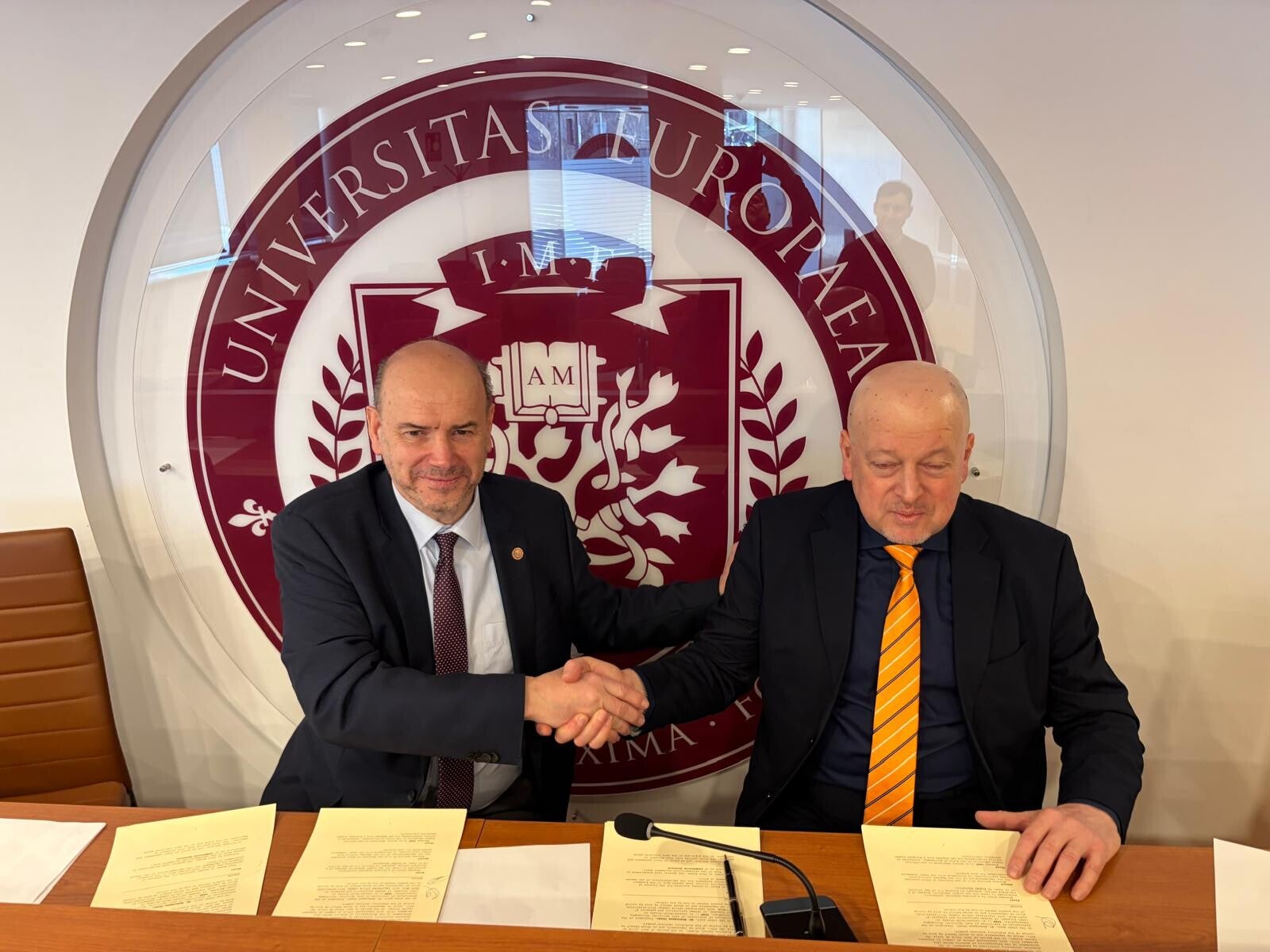
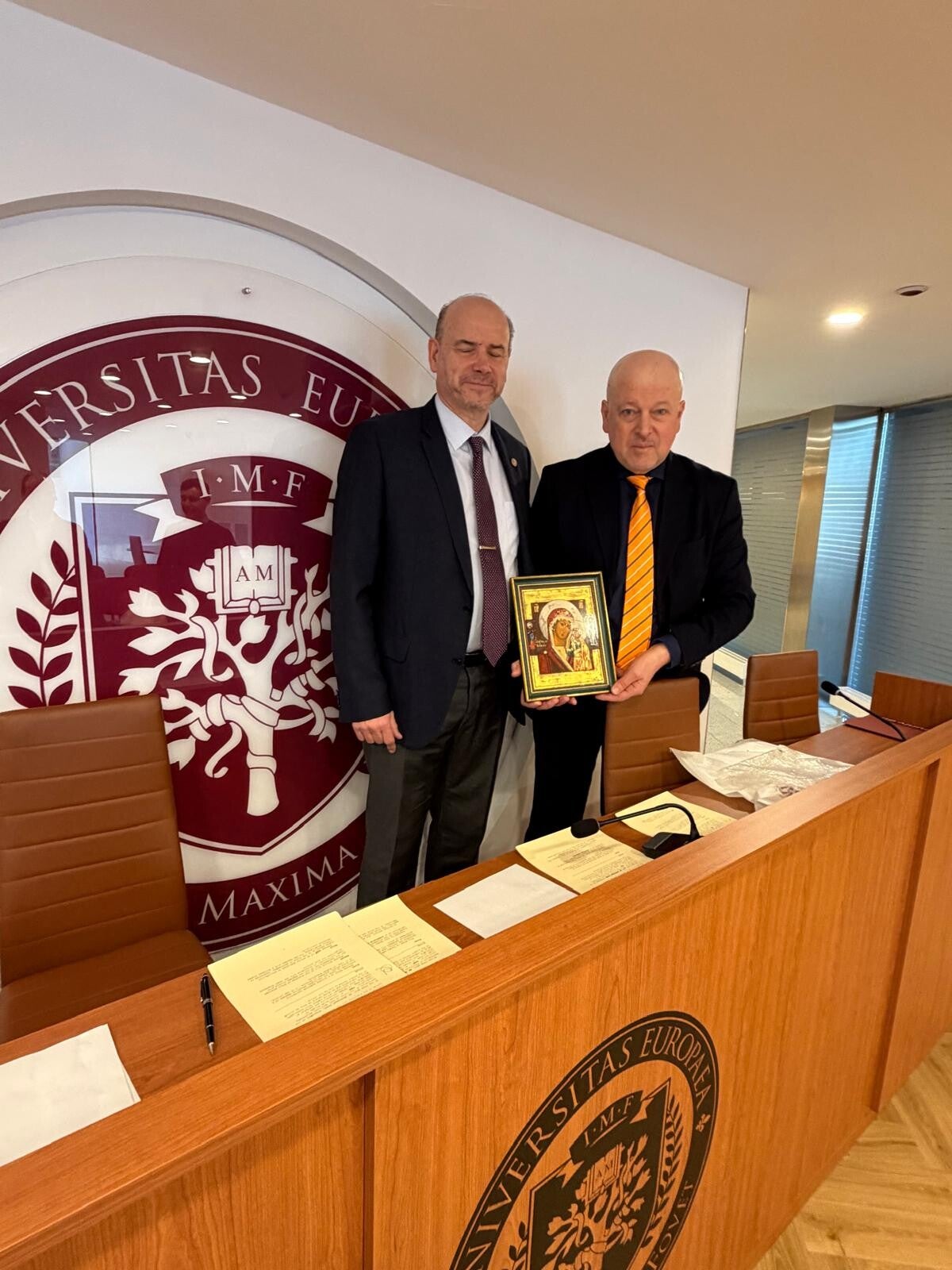
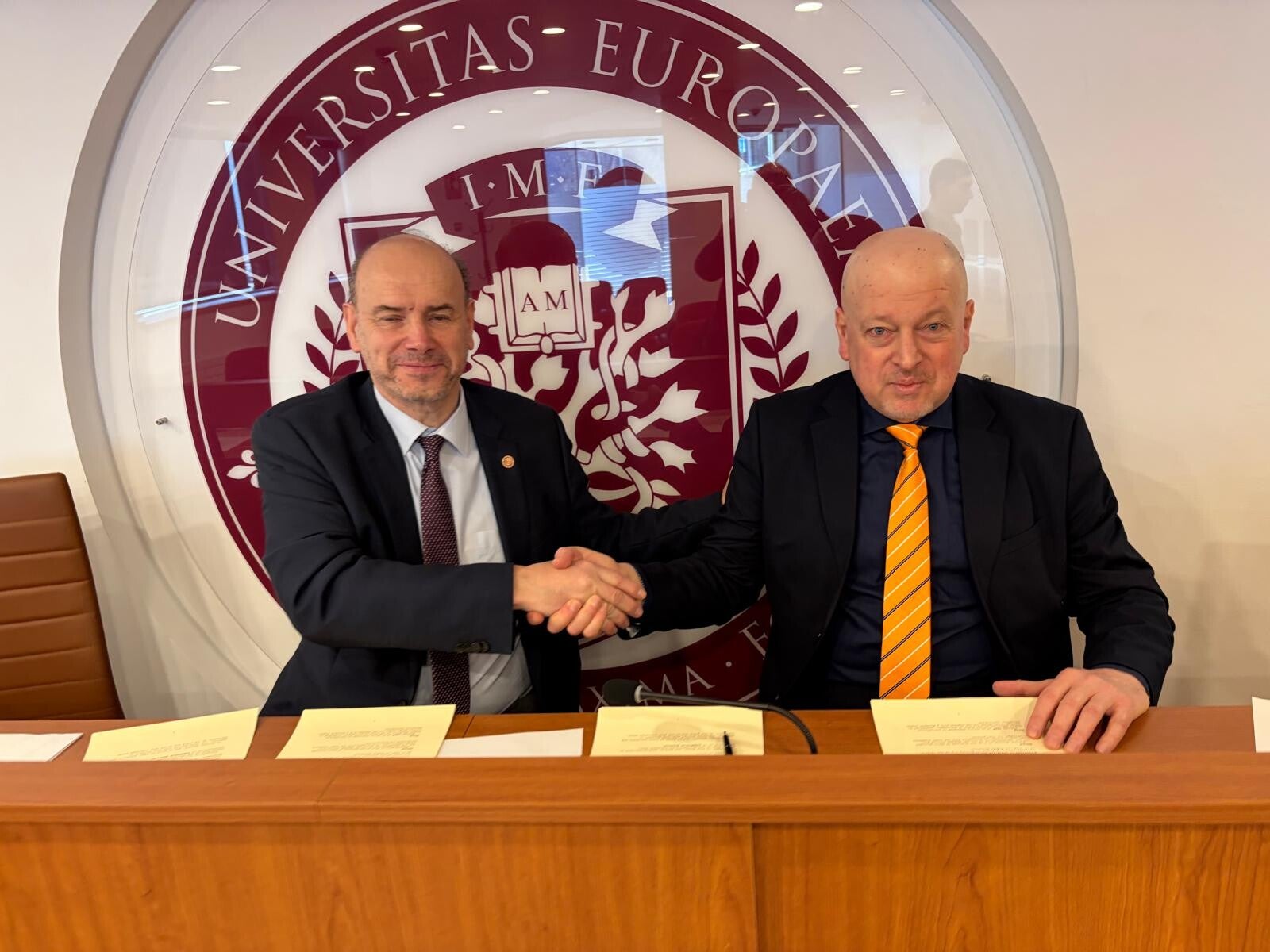
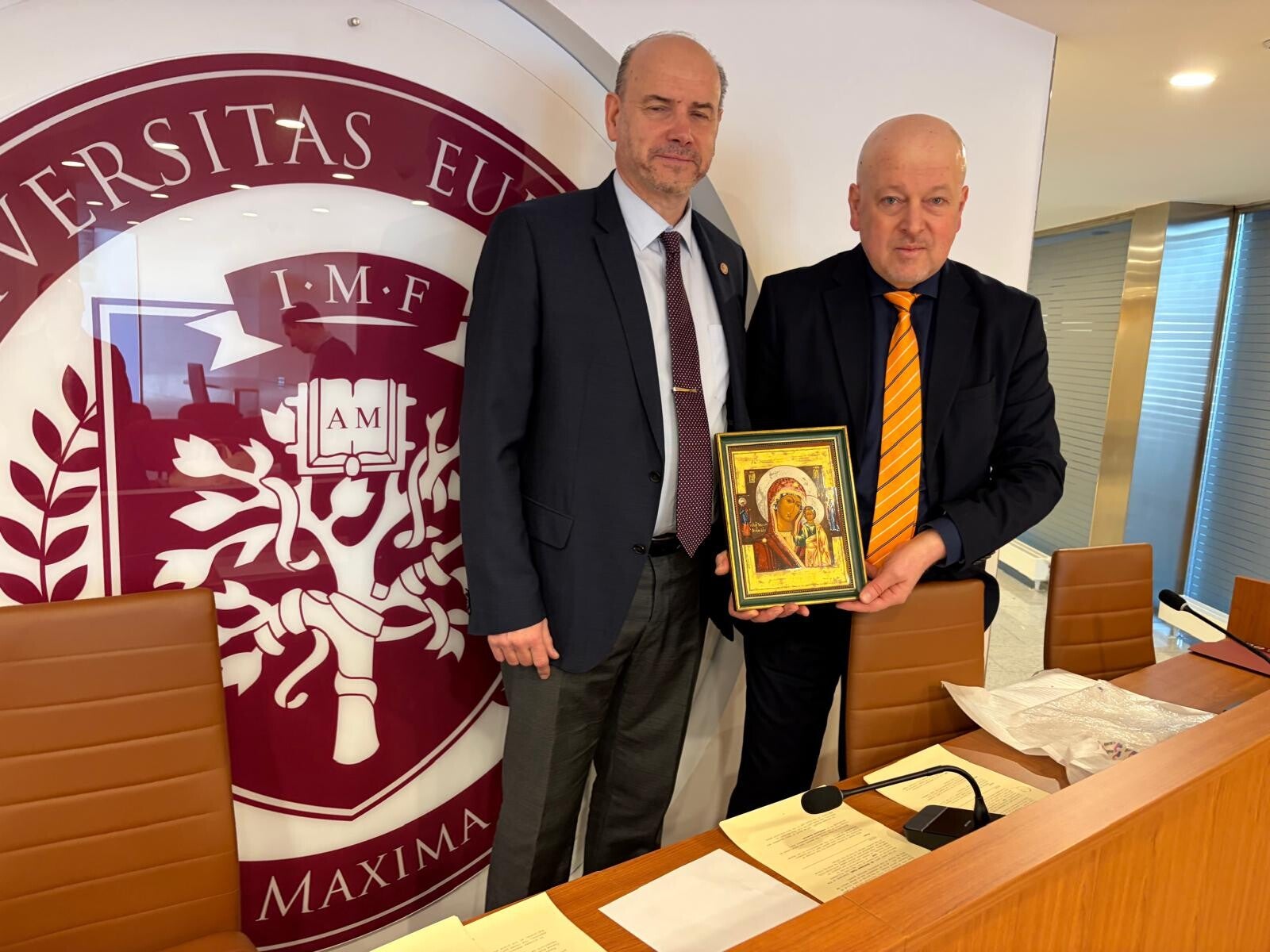
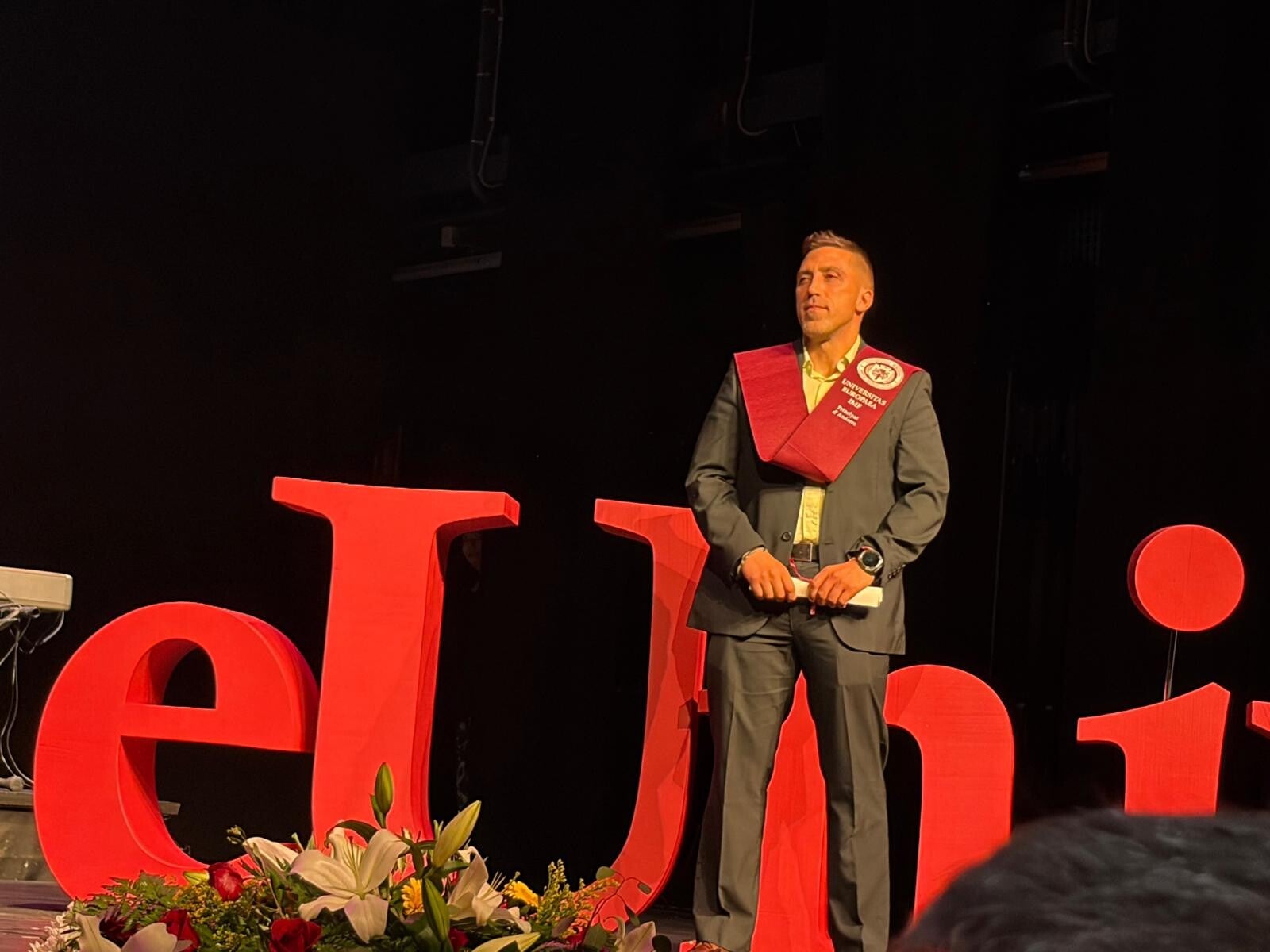
Excerpts from the signing of the founding contracts for the Faculty of Philosophy and Comparative & Prospective Spiritual Music
.مقتطفات من توقيع عقود تأسيس كلية الفلسفة والموسيقا الروحية المقارنة والإستشرافية.
https://euniv.eu/en/euniv-launches-its-programme-of-studies-on-sufism/

















About Us
The European Academy of Philosophy and Spiritual Music (EAPSM) is not merely an educational institution; it is a global crucible for transformative knowledge, profound intellect, and cross-cultural synthesis. Standing at the vanguard of contemporary thought, EAPSM serves as an academic sanctuary where ancient tradition harmonizes with modern scientific inquiry, empowering a new generation of visionary scholars to decipher the ultimate questions of existence, consciousness, and human purpose.
Our rigorous research framework and specialized curricula resonate through three pioneering intellectual pillars:
-
The Philosophy of Cosmic Realism: A groundbreaking metaphysical paradigm that courageously redefines the intricate fabric connecting humanity, the universe, and the concept of the Divine, validated through the lens of modern scientific understanding.
-
Moroccan Sufi Spiritual Philosophy: An elite, textually grounded academic discipline that decodes Sufism as a sophisticated system of metaphysical thought, ethical refinement, and profound lived experience, charting its evolution within historical and cultural contexts.
-
Comparative Sacred Music: An innovative, interdisciplinary frontier examining sacred music as an absolute repository of knowledge and spiritual transcendence, uniquely bridging the rich Moroccan, Hebrew, and Christian Mediterranean repertoires.
Advanced Pathways to Academic Excellence
Recognizing the diverse dynamics of the modern scholar, EAPSM offers two premium, meticulously structured learning pathways:
-
On-Site Degree Track: An immersive, high-engagement residency on our campus designed for rigorous intellectual discourse and direct collaborative research.
-
Distance Learning Track: A boundaryless, state-of-the-art digital ecosystem utilizing advanced e-learning modalities to deliver elite academic training regardless of geographical boundaries.
Our Vision
We inspire to cultivate enlightened leaders and rigorous researchers equipped with the intellectual depth and empathetic wisdom necessary to navigate complex global challenges. Supported by an international faculty of esteemed academics and driven by dedicated financial aid initiatives—including our prominent 25% University Scholarship—we empower you to pioneer the future of human knowledge.
عن الأكاديمية
لا تمثل الأكاديمية الأوروبية للفلسفة والموسيقى الروحية مجرد مؤسسة تعليمية عابرة، بل هي بوصلة عالمية للتحول المعرفي، وبناء الفكر العميق، والتلاقح الحضاري. بتقاطعها الفريد عند طليعة الفكر المعاصر، تقف الأكاديمية كصرحٍ بحثي تتناغم فيه أصالة التقاليد المعرفية مع أدوات التحليل العلمي الحديث؛ لتصنع جيلاً جديداً من المفكرين الرواد القادرين على فك شفرات الوجود، والوعي، والمعنى الإنساني الأسمى.
إن برامجنا الأكاديمية والنقدية تتجاوز الأطر التقليدية لتتجسد في ثلاثة محاور معرفية فريدة:
-
فلسفة الواقعية الكونية : نموذج ميتافيزيقي رائد يعيد صياغة الأبعاد الرابطة بين الإنسان، والكون، ومفهوم الخالق، مرتكزاً على أسس متينة من الفهم العلمي المعاصر.
-
الفلسفة الروحية الصوفية المغربية: حقل معرفي نخبي يبحث في التصوف المغربي كمنظومة متكاملة من الفكر الفلسفي، والسمو الأخلاقي، والتجربة الإنسانية الحية، متتبعاً تطورها التاريخي والسياقي من خلال النصوص الكلاسيكية التأسيسية.
-
الموسيقى المقدسة المقارنة: جبهة بحثية بينية مبتكرة تدرس الموسيقى المقدسة كخزانٍ للمعرفة والتسامي الروحي، وتمد جسوراً فريدة بين التقاليد الموسيقية الروحية لحوض المتوسط بمكوناتها المغربية، والعبرية، والمسيحية.
مرونة أكاديمية بمقاييس عالمية
تلبيةً لمتطلبات النخبة من طلابنا وباحثينا حول العالم، صممت الأكاديمية مسارين تعليميين يضمنان أعلى درجات التميز:
-
مسار الدراسة الحضورى تجربة أكاديمية مكثفة وغامرة داخل الحرم الجامعي، تتيح التفاعل الفكري المباشر والمشاركة في حلقات البحث العلمي المتقدم.
-
مسار التعليم عن بُعد منظومة رقمية متطورة عابرة للحدود، تعتمد على أحدث تقنيات التعليم الإلكتروني التفاعلي لتقديم معرفة استثنائية أينما كنت.
رؤيتنا
إننا نهدف إلى تمكين قادة الفكر ومبتكري المعرفة، وتزويدهم بالعمق الإنساني والحكمة الفلسفية اللازمة لمواجهة أعقد التحديات العالمية المعاصرة. وبدعم من هيئة تدريسية دولية تضم صفوة الأكاديميين، وبرامج دعم مؤسسي استراتيجية (تتمثل في منحة الجامعة بنسبة 25%)، نفتح لك الأبواب لتكون شريكاً في صياغة مستقبل المعرفة الإنسانية.
هذا الأسلوب يجمع بين الرصانة اللغوية الأكاديمية والجاذبية التسويقية التي تحفز الطلاب على التسجيل والشعور بقيمة ومكانة الشهادة التي سيحصلون عليها من مؤسستكم.